
Blocked Tear Ducts in Children
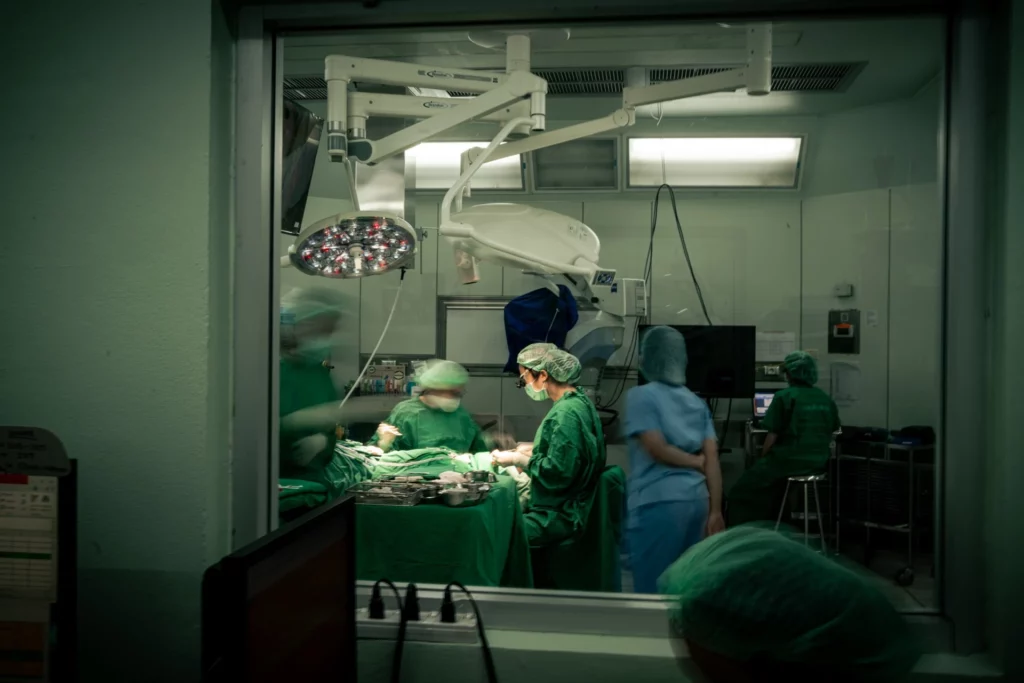
Around 7% of newborns are born with a blocked tear duct. This is usually due to a thin membrane at the bottom of the duct that prevents tears from draining properly. As a result, tears overflow and run down the cheeks.
Adult Blocked Tear Ducts and DCR
Tears normally drain through a small system that starts with tiny openings in the inner corners of the eyelids (called puncta). The tears then pass through small channels (canaliculi), into a sac (lacrimal sac), and finally drain through the tear duct (nasolacrimal duct) into the nose. Every time you blink, this system helps pump tears away from your eyes.
Adult Tearing (Watery Eyes)
Adult Tearing (Watery eyes) are a common complaint in adults and can be both uncomfortable and frustrating. Tearing happens when there is an imbalance between how many tears your eyes produce and how well those tears drain. While bothersome, it usually does not harm the eyes.
Lower Eyelid Bags and Blepharoplasty (Lower Eyelid Surgery)

The eyes are often one of the first features people notice, and the appearance of the eyelids plays a big role in how refreshed or tired we look. As we age, natural changes in the skin, muscles, and fat around the lower eyelids can lead to puffiness or “bags” under the eyes.
Post Double Eyelid Surgery Ptosis

Post Double Eyelid Surgery blepharoptosis is a complex condition that may result from scarring or levator dysfunction. This case highlights surgical correction through scar release, levator muscle repositioning, and fat grafting to restore eyelid symmetry and function
Nasolacrimal Duct Obstruction

Nasolacrimal duct obstruction causes persistent tearing and possible infection when the tear duct is blocked. Treatment options vary by age, with endoscopic surgery offering a safe and scar-free solution in adults.
Thyroid Eye Disease

Thyroid eye disease is an autoimmune condition, meaning the body’s own immune system mistakenly attacks healthy tissue around the eyes. This causes inflammation, swelling, and bulging of the eyes.
Preoperative Guidelines for Eyelid, Orbital, and Tear Duct Surgery
Essential preoperative guidance for eyelid, orbital, and tear duct surgeries: discontinue blood thinners 7 days prior and avoid supplements, oily foods, and alcohol 2 weeks before surgery to reduce bleeding and bruising risk.
Aging Eyelids: Age-related Eyelid Changes

Aging eyelids can cause droopy skin, ptosis, and vision obstruction. Learn about symptoms, causes, and effective surgical treatments such as upper blepharoplasty and ptosis correction with expert medical care.
Postoperative Care Instructions for Eyelid and Periorbital Surgery
This guideline outlines essential postoperative management following eyelid and periorbital surgery, including cold compresses, wound care, head elevation, activity restrictions, and signs of complications all aimed at optimizing healing and visual outcomes.
Eyelid Surgeon (Oculoplastic Specialist)

Eyelid surgery specialists come from various professional backgrounds, including general ophthalmologists, oculoplastic and reconstructive ophthalmologists, plastic surgeons, and ENT surgeons with facial plastic training. Each brings distinct expertise in treating both cosmetic and functional eyelid conditions, tailored to meet every patient’s individual needs.